
Repair a Chipped or Gapped Tooth With Dental Bonding
A fast, affordable fix for a chipped, cracked, worn or gapped tooth. Tooth-coloured composite resin is shaped directly onto the tooth and hardened in one visit — usually with no drilling and no anaesthesia. Your tooth looks whole again the same day.
A Quick Repair, Same Day
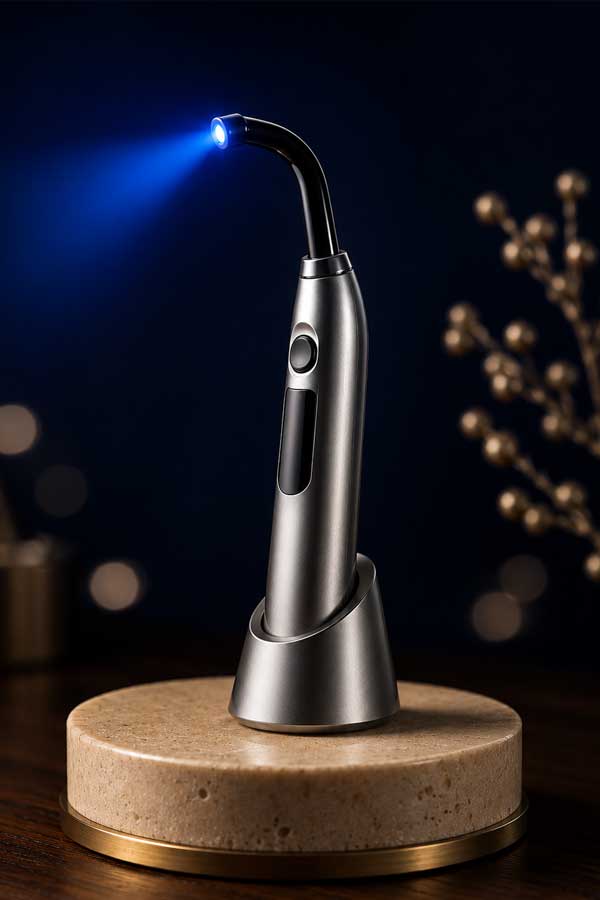
Dental bonding is a procedure where a tooth-coloured composite resin is applied to a tooth, sculpted into shape and hardened with a curing light — all in a single visit. It "bonds" to the tooth to repair damage or improve appearance, restoring a natural look without lab work.
It's one of the most conservative and affordable cosmetic treatments: usually no drilling and no anaesthesia are needed, and very little (if any) of the natural tooth is touched. It's ideal for small, single-tooth fixes. For a full smile makeover across many teeth, composite or porcelain veneers may be a better fit — we'll advise you honestly.
- A chipped, cracked or broken front tooth
- A small gap between two teeth
- A worn, short or slightly misshapen tooth edge
- An exposed root surface or a single discoloured spot
How Is Dental Bonding Done?
A single-session, comfortable repair — your tooth restored the same day.
Shade Match
The right composite shade is selected to match your natural tooth, so the repair blends in seamlessly.
Single SessionSurface Prep
The tooth surface is lightly conditioned so the resin bonds securely. Usually no drilling or anaesthesia is needed.
Single SessionSculpting & Curing
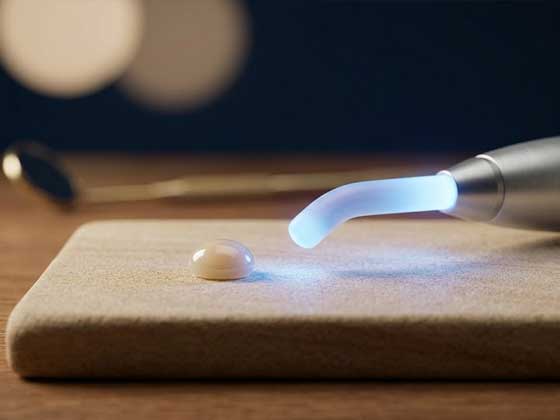
The composite is applied, shaped by hand to rebuild the tooth, then hardened with a curing light.
Single SessionPolishing
The bonding is trimmed, smoothed and polished to a natural shine that matches the rest of your tooth.
Single SessionFast, Affordable, Conservative
For repairing a single damaged or imperfect tooth, bonding is the quickest and most tooth-friendly option — done in one visit, at a fraction of the cost of a crown or veneer.
Single Session
Done chairside in one appointment with no lab wait. Your tooth looks whole again the same day.
Usually No Drilling
Most bonding needs no drilling and no anaesthesia, keeping your natural tooth fully intact.
Budget-Friendly
One of the most affordable cosmetic options — far less than a crown or porcelain veneer.
Natural Finish
Shade-matched and polished to blend with your tooth, so the repair is invisible to others.
Easily Repairable
If it chips or stains over time, bonding can be polished or touched up without redoing everything.
Conservative & Reversible
Because so little tooth structure is touched, it's a low-commitment option you can upgrade later.
Skilled Hands, Honest Advice
Good bonding is an art that depends on the dentist's skill and eye for detail. With 44 years of clinical experience, Kadıgil delivers natural repairs and honest guidance on when bonding is enough and when a veneer or crown is the better choice.
Premium Composite Materials
High-quality nano-hybrid composites for a strong, natural-looking and polishable repair.
44 Years of Experience
A detail-focused, artistic approach refined over decades, for results that look completely natural.
Transparent Pricing
A clear quote after examination, with honest advice on bonding vs. veneers or crowns. No hidden fees.
Common Questions About Dental Bonding
The questions asked most often before treatment.
Bonding repairs or improves a tooth by adding composite directly, in one visit, usually with no drilling — ideal for a single chip, gap or small fix. Veneers are thin shells covering the whole front of the tooth, used for a fuller smile makeover across several teeth. Bonding is more affordable and conservative; veneers are more durable and transformative. For one damaged tooth, bonding is often the smarter choice.
No. Because little or no drilling is needed, bonding is usually painless and often doesn't require anaesthesia. If the repair involves a decayed area, local anaesthesia may be used to keep you comfortable.
With good care, dental bonding typically lasts around 5–7 years, sometimes longer, before it may need a touch-up or replacement. Its lifespan depends on the tooth's location, your bite, oral hygiene and habits like nail-biting or chewing hard objects.
Composite can pick up stains over time from tea, coffee, red wine and smoking, more so than porcelain. Good oral hygiene, regular polishing at check-ups and moderating staining habits keep it looking fresh. Note that bonding doesn't lighten with whitening, so any whitening is usually done first.
Yes. A chipped front tooth is one of the most common and satisfying bonding cases. The composite is built up, shaped to match the tooth and polished — usually in 30–60 minutes — so you leave with a natural-looking, whole tooth the same day.
Treat it like a natural tooth: brush and floss normally, avoid biting hard objects (ice, pens, nails) and don't use your teeth as tools. Regular check-ups let us polish and monitor the bonding. With good care it stays looking great for years.
Bonding is priced per tooth and depends on the size of the repair. It's one of the most affordable cosmetic treatments. A clear quote is provided after your examination, with no hidden fees.
Restore Your Tooth With Dental Bonding
Fix a chip, gap or worn edge in a single, affordable visit. Book a free examination to see if bonding is the right solution for your tooth.